

For years, businesses have relied on a simple formula to motivate employees: pay them more.
Need better performance? Offer a bonus. Need to improve retention? Raise wages. Need people to work harder? Add another incentive program.
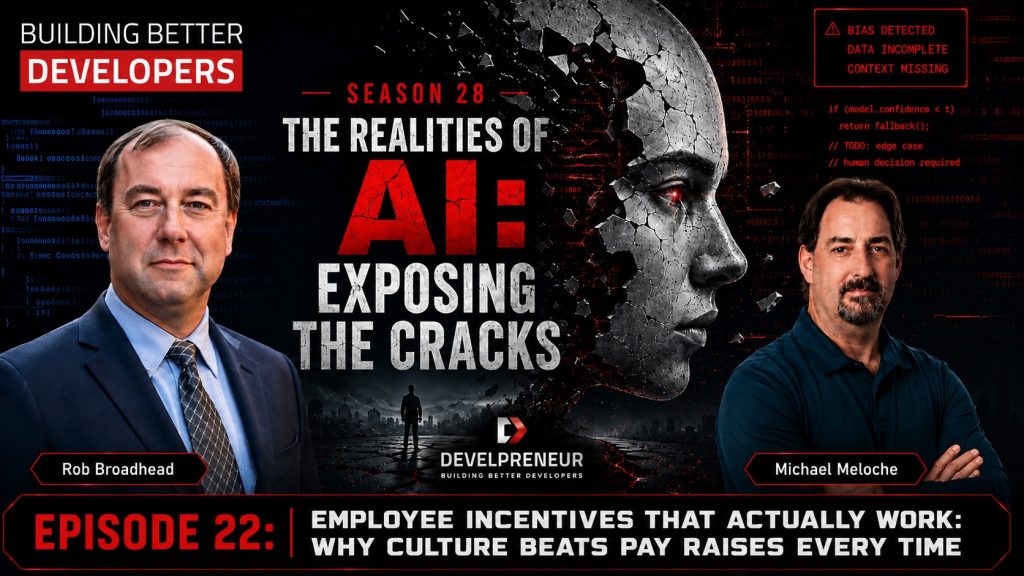
Compensation matters, but it isn’t always the deciding factor leaders think it is. In a recent conversation with Joe Rockey, founder of Elite Business Cruises, we explored a different angle: the strongest organizations don’t win because they pay the most. They win because they’ve built a culture where employees actually want to succeed together.
About Joseph Rockey Jr.
Joseph Rockey Jr. is the founder of Elite Business Cruises, a serial entrepreneur who has launched nearly 30 businesses, an international best-selling author, and a business consultant specializing in employee motivation, leadership, and business culture. Rather than focusing solely on traditional training programs, Joe helps organizations improve employee engagement, strengthen workplace relationships, and create cultures that attract and retain top talent. His work centers on the idea that businesses succeed when they build stronger relationships with both their employees and their customers.
The Problem Isn’t Always the Paycheck
Joe shared a story from the COVID era, when businesses found themselves competing for workers by constantly raising hourly wages. Restaurants on the same intersection kept outbidding each other by a few cents or a dollar, hoping to attract staff. Workers simply moved to whichever place paid more. It became an endless cycle.
The real problem wasn’t compensation—it was that every business was running the same play.
Eventually, Joe helped one business try something different. Instead of asking “How do we pay people more?” they asked “How do we give people a reason to care?” The answer wasn’t another raise. It was building an experience employees wanted to earn together.
Most Businesses Don’t Actually Have Teams
One of the biggest ideas from our conversation was surprisingly simple: many companies aren’t really teams. They’re collections of individuals who happen to work in the same building. Everyone shows up, does their assigned work, collects a paycheck, and goes home.
There’s nothing inherently wrong with that, but it makes engagement, accountability, and loyalty hard to build. Joe described the unspoken agreement at many workplaces: “Don’t ask about my personal life, and I won’t ask about yours.” That mindset creates employees who work beside each other instead of with each other.
Culture Creates Motivation
What made Joe’s approach interesting wasn’t the cruise itself—that was just the reward. The real work happened long before anyone boarded the ship. Employees worked toward a shared goal, and instead of competing against each other, they started helping each other succeed because everyone’s outcome was tied together.
That shift changes everything. People start sharing knowledge, helping coworkers solve problems, and investing in each other’s success instead of only their own. That’s culture, and it’s incredibly hard to build with money alone.
Training Only Works When People Care
Another insight that stood out: most organizations pour real time into onboarding programs, documentation, and training sessions, then wonder why nobody seems to pay attention.
Joe’s take is that people don’t tune out training because the material is bad. They tune out because they aren’t emotionally invested in the organization delivering it. When employees feel connected to the company’s mission and the people around them, they engage with training far more readily.
Better Culture Attracts Better Talent
Great cultures recruit themselves. Employees tell friends where they enjoy working, positive experiences spread, and strong teams become magnets for talented people. Instead of constantly chasing someone else’s best employee, companies can build an environment where great people choose to join because they want to be part of something meaningful. That’s a very different recruiting strategy than posting another job listing with a slightly higher salary.
What Leaders Can Learn
Technology, AI, and automation keep changing how businesses operate, but none of it replaces culture. If anything, it makes culture more important. The organizations that thrive over the next decade won’t be the ones with the newest tools or the biggest tech budgets—they’ll be the ones that know how to align people around shared purpose and build environments where employees genuinely want to contribute.
Technology can improve productivity. Culture determines whether people want to use that productivity to help your organization succeed.
Final Thoughts
Compensation will always matter. People deserve to be paid fairly. But if your only strategy for motivation is another raise or another bonus, you’ll eventually find yourself in a race someone else can always outbid.
Culture isn’t built overnight, and it isn’t created with one team outing or one incentive program. It’s built by giving people a reason to believe they’re working toward something together. When that happens, motivation stops being something leaders have to manufacture—it becomes part of the organization’s identity.
Stay Connected: Join the Developreneur Community
👉 Subscribe to Building Better Developers for more conversations on momentum, leadership, and growth. Whether you’re a seasoned developer or just starting, there’s always room to learn and grow together. Contact us at [email protected] with your questions, feedback, or suggestions for future episodes. Together, let’s continue exploring the exciting world of software development.